
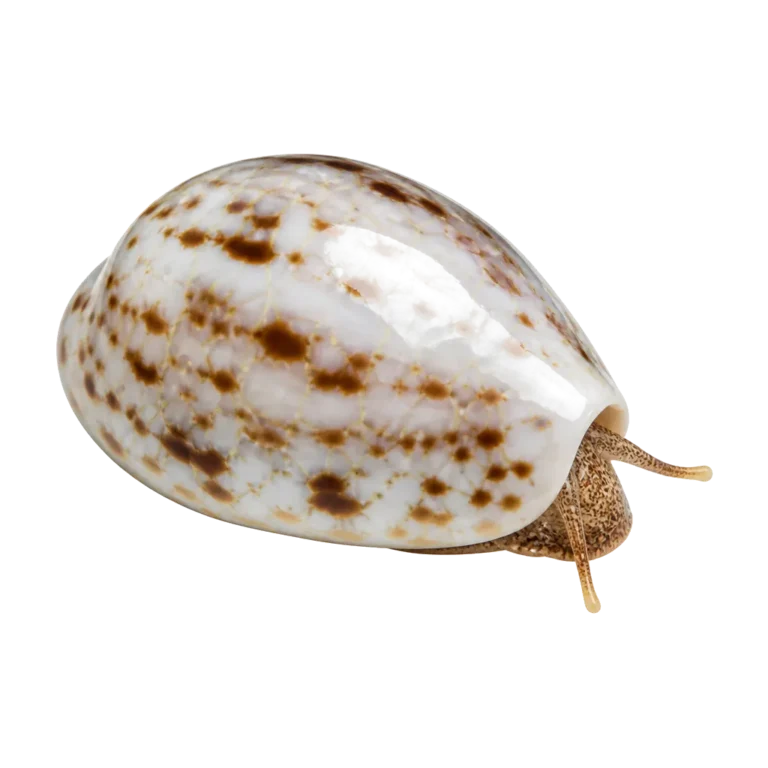
Variable Dove Snail
Summary
Euplica varians is a very small dove snail with a shell pattern that can vary markedly between individuals. In nature it occurs in shallow, wave-washed tropical areas, often beneath stones or among algae, so it is best suited to an established reef with accessible rock surfaces and natural films to graze rather than a newly cleaned, bare display.
Care
Provide mature live rock with crevices, shaded undersides, and patches of biofilm. A sand bed is optional: this snail mainly uses hard surfaces and does not need deep sand to feed or shelter.
Moderate reef lighting and ordinary reef circulation are suitable when they allow biofilm to persist on some rockwork. Avoid placing one into a very new system or a tank maintained so aggressively that every surface is stripped clean; an apparently active snail that steadily loses condition is more likely short of grazing than in need of stronger flow or light.
Feeding and role
Euplica varians grazes microalgae and biofilm from rock, glass, and other surfaces. In a tank with limited natural growth, offer small amounts of algae-based sinking food or softened marine herbivore food where the snails can reach it, and remove uneaten food rather than repeatedly increasing the ration.
Its cleanup role is limited to fine films and small patches of algae. A specimen can help keep crevices and overlooked rock surfaces grazed, but it will not resolve a widespread algae problem, consume substantial accumulated detritus, or replace manual maintenance.
Compatibility
This is a reef-compatible snail and can move over coral-covered rock without being treated as a coral predator. Inspect corals if a snail is repeatedly gathered on damaged tissue; it may be feeding on films or dying material, but the underlying cause of the coral damage should be investigated rather than assuming the snail caused it.
Keep it away from deliberate mollusk predators such as many wrasses, puffers, triggerfish, and large predatory crabs. Hermit crabs may also kill it for its shell. A small group can be kept together and may establish a population if food is plentiful; add only as many as the available biofilm can support, since crowding several grazers into a sparsely fed tank leads to slow starvation.
Good to know
Like other marine snails, Euplica varians is highly vulnerable to copper-based medications and to residues from treatments intended for fish. Do not add it to a system being medicated with copper, and use any treatment only after confirming that it is safe for mollusks.
Acclimate slowly to the display’s salinity and temperature because sudden changes can leave a snail inactive or unable to recover after transfer. Once established, a growing number of tiny snails is usually a sign that the aquarium is producing enough food for reproduction; a sudden disappearance of the group instead points toward predation, starvation, or an invertebrate-unsafe chemical exposure.