
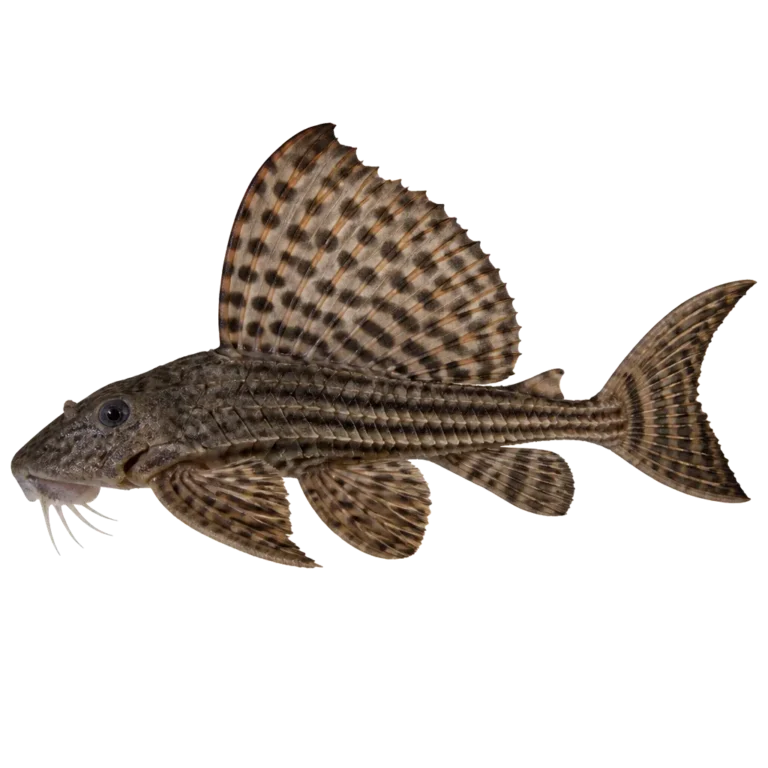
Sailfin Catfish
Summary
Paraplotosus butleri is a secretive, bottom-oriented catfish that spends much of the day tucked beneath rockwork and is most likely to emerge after dark. Its preference for reef holes and sheltered undersides explains why a newly introduced fish may seem to disappear rather than cruise the display.
Treat its carnivorous foraging as the main stocking consideration: it is generally peaceful toward fish, but mobile crustaceans and gastropods are potential prey rather than dependable clean-up crew.
Care
Build the aquascape around a shaded, accessible refuge with a clear entrance and a sand-level route out into open floor space. Paraplotosus butleri should be able to retreat without squeezing through unstable rock piles, because its long body and erectable spines make tight, snag-prone crevices a poor choice.
Expect slow, deliberate bottom movement rather than constant open-water swimming. Give it a low-traffic section of the aquarium where active fish are not continually passing through its shelter; persistent daytime pacing or repeated attempts to wedge into narrow gaps suggest the refuge is unsuitable.
Secure rockwork directly and leave enough unobstructed floor around the shelter for the fish to turn and forage. A tank arranged entirely as dense coral thickets or tightly packed rubble gives it few usable resting and feeding lanes.
Feeding
Offer meaty marine foods that reach the bottom, such as chopped crustacean, mollusc flesh, clam, squid, and quality sinking carnivore preparations. Feed near dusk or after the main lights have dimmed, when this species is more likely to leave cover and compete normally.
Deliver food close to its chosen shelter with tongs or a feeding tube when fast tankmates intercept every sinking item. Confirm that it is actually eating by watching after dark rather than judging its appetite from daytime behaviour.
Do not use ornamental shrimp, snails, or other clean-up-crew animals as part of its feeding plan. A well-fed fish may still investigate and consume these animals because they match its natural prey.
Compatibility
Plan around a single Paraplotosus butleri unless its identity, available space, and long-term social behaviour are known well enough to support a deliberate group. Species-specific information on keeping this catfish with conspecifics is limited, so do not assume that the schooling behaviour seen in other eel-tail catfishes applies here.
Favour calm, non-predatory fish that use the middle or upper parts of the aquarium. Avoid forceful bottom-feeders and fish that claim caves, as they can deny this secretive catfish access to its daytime refuge and evening feeding area.
Add it before highly assertive residents if possible, so it can establish a usable shelter without being displaced. In a reef, the important exception to its otherwise peaceful reputation is its likely predation on crustaceans and gastropods.
Good to know
The dorsal and pectoral spines are venomous. Never try to grasp or hand-net this fish from above; use a rigid container for moves when practical, keep hands clear of the spines, and avoid forcing it from a crevice.
Daytime concealment is expected, especially after introduction. A more meaningful warning sign is failure to emerge for food after dark, progressive loss of body condition, or frantic daytime searching for another hiding place.
Its nocturnal routine can make apparent feeding success misleading: food may vanish to other scavengers before the catfish leaves cover. Occasional after-dark observation is the reliable way to confirm that the fish is getting its share.