
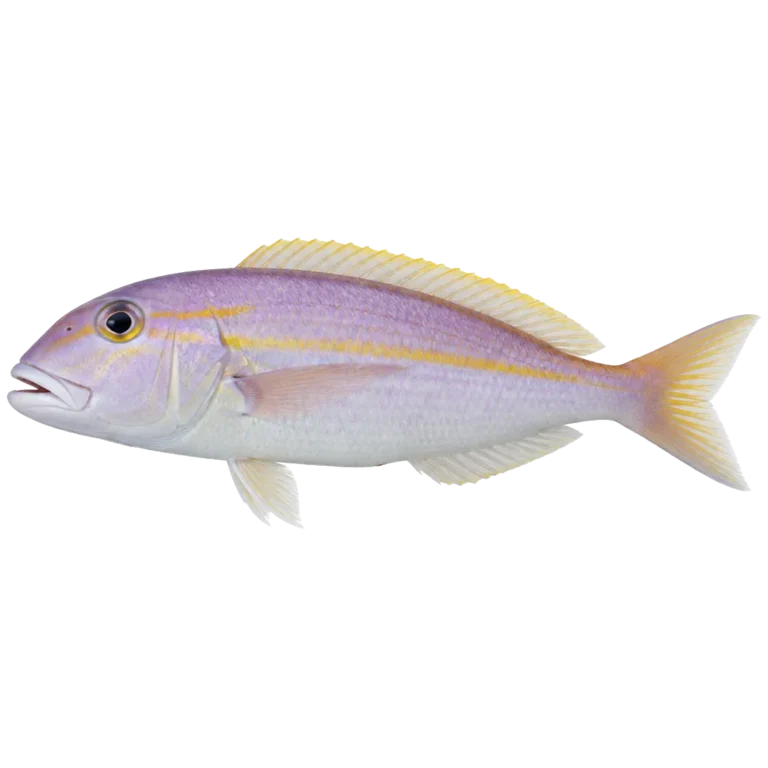
Pastel Tilefish
Summary
Hoplolatilus fronticinctus is a shy, open-water tilefish that normally hovers above its chosen patch of rubble and sand while watching for planktonic food. Its rapid retreat into a burrow is a normal alarm response, not automatically a sign of illness; a fish that remains hidden through feeding, however, is usually being intimidated or has not accepted the aquarium as safe.
In nature, adults form stable pairs around a shared burrow and rubble mound. In an aquarium, this explains why the fish needs both an unobstructed area for hovering and an immediate, reliable retreat rather than a densely packed rockscape with no clear escape route.
Care
Build the rockwork securely on the tank bottom and leave a sand-and-rubble margin around its base. Hoplolatilus fronticinctus may excavate, move small rubble, and repeatedly use one sheltered opening; unsupported rocks can shift if the fish works underneath them.
Give it a calm section of the aquarium with open water above its refuge, rather than forcing it to weave through coral branches or contend with constant high-energy traffic. A newly introduced fish may hover close to the bottom at first, then extend its feeding station higher into the water column as it gains confidence.
Use diffuse circulation that keeps fine foods suspended briefly without blasting the fish away from its chosen station. Persistent pacing along the glass, repeated panic dashes, or an animal that never emerges after the first adjustment period point to excessive disturbance, unsuitable flow, or pressure from tankmates.
Feeding
Offer small meaty plankton-sized foods several times through the day, using mysis, copepods, enriched brine shrimp, and finely chopped marine foods in rotation. Deliver food into the water column just upstream of the fish so it can feed by picking individual items from the flow.
Do not rely on a single large feeding. This species is built for frequent opportunities to take suspended prey, and a fish that only receives food after faster feeders have finished can slowly lose condition even when the aquarium is fed heavily.
Watch the first minutes of each feeding. If it stays near its burrow while tangs, assertive wrasses, or other rapid feeders strip the water column, use a second feeding point or target-feed its area. A pinched abdomen, reduced hovering time, or repeated missed feeding opportunities should be treated as a competition problem before assuming disease.
Compatibility
Keep Hoplolatilus fronticinctus singly or as a confirmed, established pair introduced together. Adults naturally maintain a close pair bond and shared refuge, so adding an unrelated tilefish later can create persistent territorial stress rather than a peaceful group.
Choose quiet, non-predatory tankmates that leave a timid midwater feeder room to emerge. Avoid large predatory fishes and boisterous, fast-moving species that repeatedly rush its refuge or dominate suspended foods; the tilefish may spend the day hidden instead of competing.
Add the tilefish before highly active or territorial fish whenever possible, so it can establish a burrow and feeding station without being displaced from every suitable shelter. It is reef compatible, but leave loose rubble and unsecured frags out of the immediate burrow zone because its digging and rearranging can disturb items placed there.
Good to know
Use a tightly fitted screen cover with no practical escape gaps before introduction. Hoplolatilus fronticinctus can launch upward when startled, especially during its first days, after sudden room movement, or when chased; an otherwise healthy fish may be lost in a single panic response.
Expect it to disappear into its burrow at night and during perceived danger. The useful distinction is whether it resumes hovering and feeding when the aquarium is quiet: regular emergence indicates it has settled, while prolonged daytime seclusion usually means social pressure or an inadequate refuge.
If keeping a pair, monitor whether both fish reach food and use the same area without one being excluded. A stable pair will remain closely associated; separation, one fish confined to cover, or repeated high-speed chases calls for prompt intervention before the subordinate fish stops feeding.