
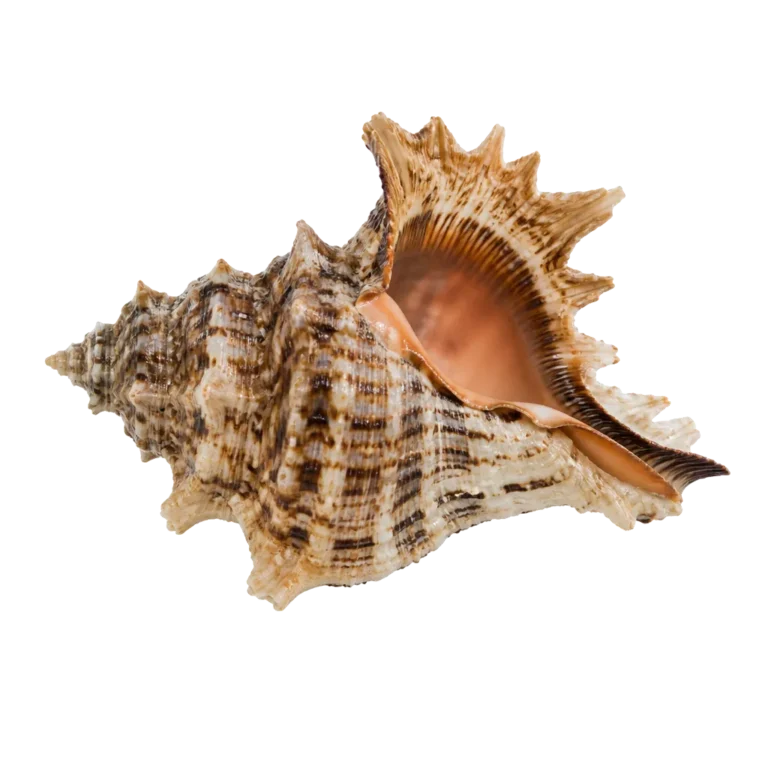
Fighting Conch
Summary
Aliger alatus is a strombid snail that grazes while moving across the substrate on a large muscular foot. Its long eye stalks and curved operculum are useful identifiers: it may push, hop, or lever itself over the sand rather than glide like many common snails. It is a peaceful bottom-dweller, despite the “fighting” common name.
It comes from shallow, sandy coastal habitats with algal growth and seagrass-associated sediment. In a reef aquarium, that translates to a need for accessible open sand with natural grazing material, not a rock-packed display where only small patches of substrate remain.
Care
Provide a broad area of sand that the conch can cross without repeatedly encountering sharp rubble, dense rockwork, or tightly packed frags. A bare-bottom system, or one with only a decorative strip of sand, removes both its normal feeding surface and its usable territory.
Add it to a mature aquarium only after the sandbed has developed a visible film of diatoms, microalgae, and detrital food. It does not require a cave or specialized lighting, but it needs a settled, productive substrate; a newly set-up or aggressively sterilized tank can leave it with too little to eat.
Feeding and role
Aliger alatus grazes benthic algae, diatoms, and detritus from the sand. When the natural film is sparse, place algae wafers, dried seaweed, or sinking herbivore foods directly on the substrate so it can find them during its normal foraging route.
Treat it as a sand-surface grazer, not a solution for an aquarium-wide algae problem. One conch can improve the portion of sand it repeatedly travels over and consume some settled organic material, but it will not meaningfully clean established algae from rockwork, glass, or inaccessible corners. If the sand becomes conspicuously clean and the conch spends long periods inactive or stops emerging to forage, increase targeted feeding rather than assuming it can live on leftover fish food alone.
Compatibility
This species is generally coral-safe because it does not feed on corals. Secure loose frags and small unattached pieces of rock, however: a conch crossing the substrate can shove or overturn lightweight items near the sand line.
Avoid predators that can crush shells or pull out snails, including pufferfish, triggerfish, large mollusc-eating wrasses, and large predatory crabs. Aliger alatus is a grazer rather than a hunter, so it should not be chosen to control pest worms, snails, or other nuisance invertebrates.
There is no need to add pairs or a group. Start with one, then consider another only if the aquarium has substantially more mature open sand and enough natural forage or supplemental food to support the added competition.
Good to know
Starvation is the main long-term failure risk. A conch may initially make a sparse sandbed look cleaner, then run out of film algae and detritus as the aquarium becomes cleaner; continued supplementation is preferable to waiting for visible decline.
Acclimate carefully to avoid abrupt salinity change, which can cause prolonged withdrawal and poor activity in marine snails. Keep copper medications and copper-contaminated equipment out of its system, as copper is toxic to molluscs.
A healthy fighting conch can often right itself using its operculum. If one remains upside down, turn it upright and check whether it is trapped against rockwork, weakened, or being harassed; prolonged inversion leaves it unable to forage.